
Pre-Consumer vs. Post-Consumer Waste: What Orange County Businesses Should Know Before They Print
Written by Main Graphics
Read our special marketing & graphic design blogs. Our blog post offers information regarding our services & other marketing issues.
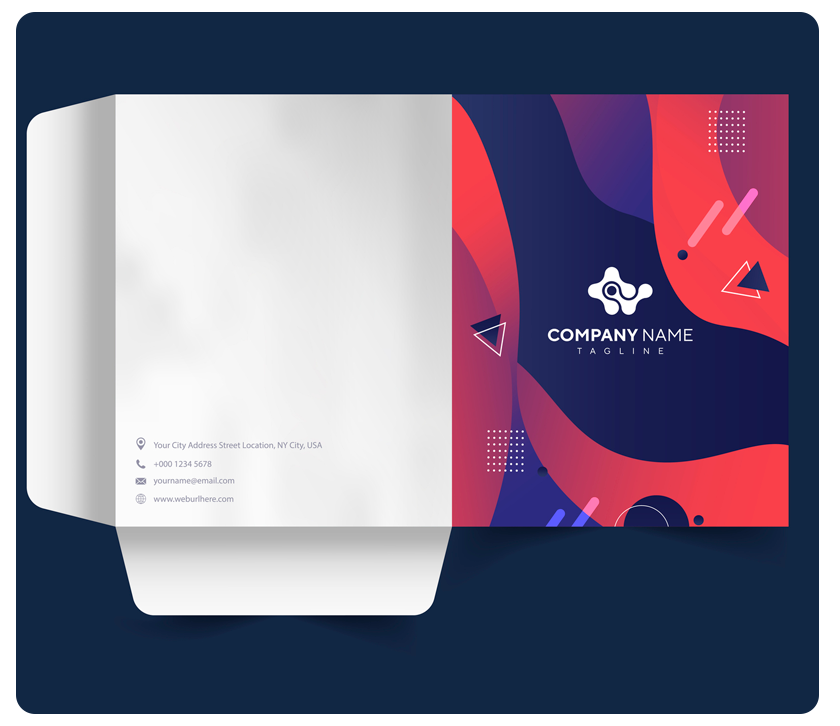
Choosing between a direct mail envelope and a self-mailer is one of the more common decisions businesses face when planning a print campaign. For companies across Irvine and Orange County working with Main Graphics, that decision often comes down to budget, goals, and audience. Direct mail letters remain the go-to for many businesses. They're inexpensive to produce, can include BREs and other inserts, and depending on the design, can feel more personal than a self-mailer. But self-mailers have been steadily gaining ground, and once you look at what they offer, it's easy to see why.
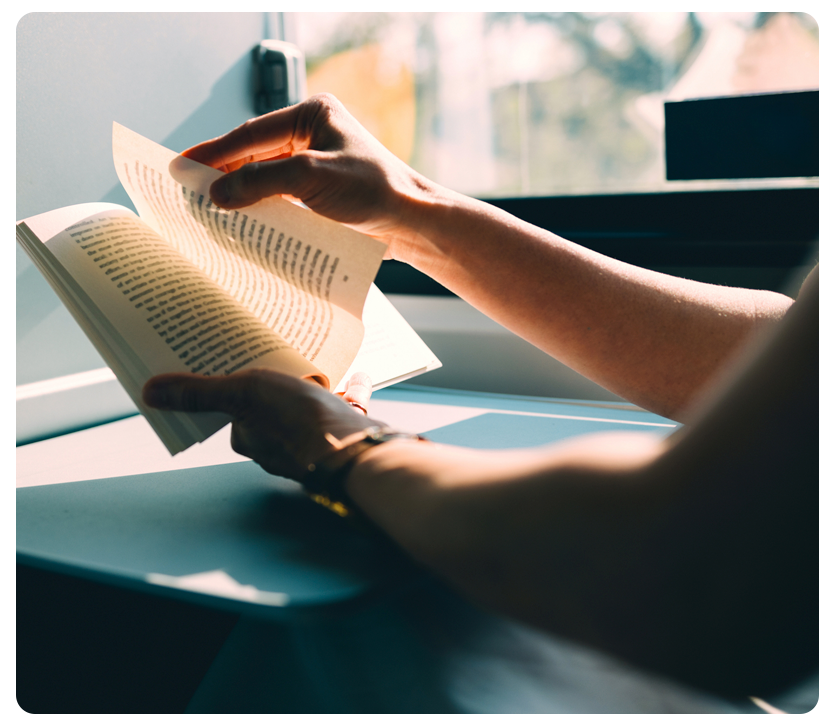
No single marketing channel does everything well, and that's good news. It means you get to pick the right tool for the right job, instead of forcing a single channel to carry your whole strategy. Email is great for flash sales and quick updates. Social media is great for staying visible day to day. But print, especially direct mail and marketing collateral, brings something to the table that digital simply can't touch: beauty, longevity, and a kind of stopping power that a scrolling feed never will. At Main Graphics, we work with Irvine businesses every day who are figuring out how to put that advantage to use, so here are five ways to capitalize on what makes print unique.
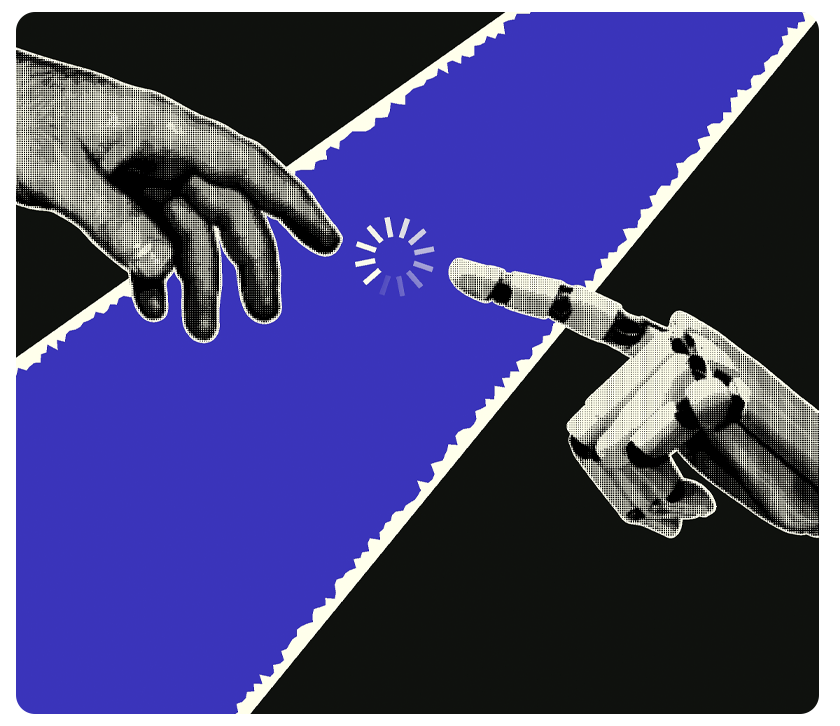
Yes. AI can dramatically speed up print marketing production, from postcards to catalogs, without sacrificing quality, if a human still reviews the final copy. At Main Graphics, we work with Irvine businesses every week who ask the same question: is AI useful for print, or is it just hype built for blogs and emails? Here is what we tell every client.
Trade shows represent some of the highest-stakes marketing moments a company will face all year. The investment in booth space, travel, and staff time is significant, and the window to make an impression is narrow. Companies that perform well at trade shows do not leave their preparation to chance. They plan every touchpoint; from the moment a prospect sees their name on a mailer to the branded pen that ends up on someone's desk three months later.
What we produce
From business cards to large-format displays — designed, printed, and finished under one roof in Irvine.


Visit · Call · Certify
Main Graphics, Inc. has printed for Orange County businesses since 1988. Clients rate us 4.9 out of 5 on Google (67+ reviews) and 5.0 on Facebook, and you can read more on Yelp.
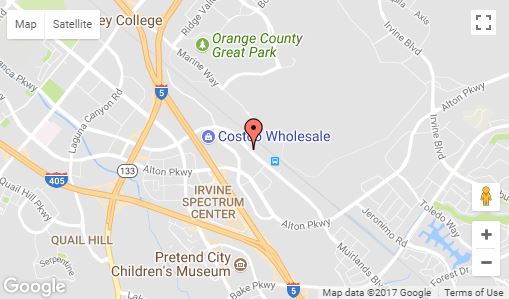
Serving Irvine, Costa Mesa, Newport Beach, Anaheim, Santa Ana, Mission Viejo, Tustin, and all of Orange County.
Main Graphics is FSC-certified, meaning our paper stocks come from responsibly managed forests. We provide certified chain-of-custody documentation with every order.